
Day 1 :
Keynote Forum
David Gan
Senior Principal Scientist, Mary Kay Inc., USA
Keynote: A cosmetic formulation with nitric oxide synthase inhibitors shows improvement in facial erythema in vivo
Time : 10:40-11:20

Biography:
David Gan, is a Senior Principal Scientist with Mary Kay's Research & Development leading the Skin and Clinical Research team. David received his Bachelor's of Science from Beloit College WI, and Masters of Science from St John’s University, NY. David joined Mary Kay in 2005, and leads the Skin Technology team responsible for identifying innovative technology to provide skin benefits in Mary Kay products. With over 21 years of experience in skin science research, David has over 50 invention patents globally, which support many different Mary Kay skin care products around the world.
Abstract:
Facial Erythema (redness) or Erythrosis is a chronic inflammatory skin condition that is characterized by aberrations in immunological responses and cutaneous vasculature. Pathophysiological changes include elevated expression of cytokines, chemokines, impaired skin barrier function, vasodilation of blood vessels and increased blood flow. Elevated levels of Nitric Oxide (NO), a key regulator in vasodilation of blood vessels, pro- inflammatory cytokines and chemokines has been shown in individuals with persistent redness. Currently, there are very few cosmetic formulations available that effectively treat facial redness. Here, we identified four botanical extracts that reduced the expression of pro-inflammatory cytokines, chemokines and Nitric Oxide Synthase; an enzyme that catalyzes the production of nitric oxide (NO) in cultured normal human epidermal keratinocytes (HEKa) and human umbilical vein endothelial cells (HUVEC). Twenty-two (22) subjects with persistent facial erythema were enrolled in a proof of concept clinical study to measure the effects of a cosmetic formulation containing these extracts on facial redness in vivo. Subjects applied the cosmetic formulation twice daily over 4 weeks. Skin temperature values, indicator of skin microcirculation, was measured by infrared thermography, Visual assessment of redness and digital images were captured at baseline, weeks 2 and 4 after product use. Evaluations from clinical grading revealed a significant reduction in overall facial redness after 4 weeks. In addition, infrared thermograph image analysis showed a significant reduction in skin temperature compared to baseline that correlated with facial redness. These data demonstrate that our cosmetic formulation effectively treated facial erythema with improvements in overall reduction of redness and skin temperature.
Keynote Forum
Lada Rasochova
Dermala Inc., USA
Keynote: Human Microbiome – An exciting opportunity to develop Novel treatments for Acne Vulgaris and other Chronic skin conditions

Biography:
Lada Rasochova is currently a CEO of Dermala Inc., a spinout from the University of California in San Diego and Executive Director and the California Institute for Innovation and Development and also a Faculty Member at UC San Diego. She has completed her PhD in Molecular, Cellular and Developmental Biology from Iowa State University and Post-doctoral studies in Virology at the University of Wisconsin Madison. She has 25 years of experience from pharmaceutical and biotechnology industry in developing therapeutics, vaccines, anti-microbial and microbial production systems for pharmaceutical applications.
Abstract:
Acne is one of the most common skin diseases. It affects up to 85% of individuals worldwide, mainly as adolescents, young adults and older women. There are four main factors that are thought to contribute to acne: Increased sebum production, follicular hyperkeratinization, colonization of follicles with Cutibacterium acnes and inflammation. Despite years of acne research, no novel products have been brought to market in the past 60 years and currently available treatments suffer from significant drawbacks: Lack of efficacy and side effects. They are mostly based on topical benzoyl peroxide, topical and oral antibiotics and retinoids. Human microbiome, the collection of all microbes on and in human bodies, represents an exciting new area of medical research. The research to date suggests that microbial dysbiosis in the gut and skin is linked to many chronic skin diseases. Restoring balance in the microbial ecosystem represents an opportunity to develop novel treatments against variety of skin disorders, including acne. Our research and product development efforts at Dermala Inc. are focused on exploring bacterial competition in the skin microbiome, including the antagonism between C. acnes and S. epidermidis and screening, formulation, testing and production of anti-inflammatory and antimicrobial metabolites (postbiotics) as new therapeutic candidates for the treatment of acne. We have shown that topical formulations of selected S. epidermidis postbiotics reduce the number, size and severity of acne lesions without side effects in human studies, inhibit the growth of C. acnes, and decrease C. acnes-mediated inflammation. In addition, we focus on exploring the gut-skin-brain axis in the microbiome that connects gastrointestinal and skin health and the role of prebiotics, probiotics and postbiotics in reducing acne-associated inflammation and improving skin barrier function that translates into higher tolerability of topical acne treatments.
- Dermatology | Current Research in Dermatology | Clinical Dermatology | Pediatric Dermatology | Dermatological Techniques | Contagious Skin Infections | Skin Cancer| Aesthetic Surgical Procedures|New Trends in Aesthetic Therapies
Session Introduction
Lada Rasochova
Dermala Inc., USA
Title: Incorporating tech-driven Dermatology applications and product personalization to increase treatment efficacy and compliance

Biography:
Lada Rasochova is currently a CEO of Dermala Inc., a spinout from the University of California in San Diego and Executive Director and the California Institute for Innovation and Development and also a Faculty Member at UC San Diego. She has completed her PhD in Molecular, Cellular and Developmental Biology from Iowa State University and Post-doctoral studies in Virology at the University of Wisconsin Madison. She has 25 years of experience from pharmaceutical and biotechnology industry in developing therapeutics, vaccines, anti-microbial and microbial production systems for pharmaceutical applications.
Abstract:
From skincare to haircare, a new class of tech-driven dermatology applications has emerged in the market that allows consumers to access beauty and dermatology products personalized for their specific needs and self-treat their issues in real time. Dermala focuses on the most prevalent skin diseases like acne and eczema, skin conditions like skin aging. It is developing end-to-end solutions that consist of a mobile app for tracking the treatment outcome and treatment optimization. We use data analytics, machine learning and artificial intelligence to personalized topical and oral treatments for specific conditions and individual customer needs. Incorporating digital health approach allows us to track customers’ treatment progress, educate them about their condition and provide support if they have any questions. We use the tracking data and outcomes to personalize and optimize treatments and adjust and optimize products and treatment routines based on actual results. This leads to better outcomes, higher treatment compliance and higher customer retention and satisfaction.
Abigael Villanueva
Research Institute for Tropical Medicine, Philippines
Title: Prevalence and risk factors for skin diseases among Philippine National Police Officers in Camp Crame, Quezon City
Time : 14.00-14:30

Biography:
Abigael T Villanueva is currently affiliated at VTEC Dermatology, Laser & Facial Center, Santolan, Quezon City, Philippines. She is the Member of International Society of Dermatology (ISD), Philippine Dermatological Society (PDS), Philippine Medical Association (PMA), Philippine College of Hospital Administrators (PCHA), Philippine College of Occupational Medicine (PCOM), Quezon City Medical Society (QCMC) & PNP Medical Society.
Abstract:
Background: The Philippine government as stated in the 1987 Constitution has emphasized the need for national security and maintenance of peace and order in nation building. It fully recognizes that the lack of these may impact the economy and subsequently adversely affect the progress and development of the country. To ensure that this policy is enforced, the Philippine Constitution also states a provision for the establishment of a police force with the primary task of ensuring national security, the Philippine National Police (PNP). Philippine National Police (PNP), as the premier law enforcing agency is at the forefront in ensuring internal peace and order in the country. For the first time in the country, a baseline study on the prevalence and risk factors for common skin diseases among Philippine National Police personnel was conducted on the National Headquarters of the PNP from March 1 to August 31, 2016.
Significance of the Study: Given this tremendous responsibility of the police force, ensuring their optimum health should be a priority. Skin disease is an important health concern which is often overlooked but may impact work performance of the PNP and in a larger scale, affect national security.
Objectives Of The Study: This pioneering study sought to determine the prevalence and specific types of skin diseases and their associated risk factors among police officers in Camp Crame, Quezon City, Philippines.
Materials and methods: Using a cross-sectional analytic study design, data were obtained from 384 randomly selected participants through self-administered questionnaires and skin examination performed by qualified dermatologists.
Results: Out of the 384 uniformed PNP personnel who participated in this study, 307 were found to have at least one skin disease thus resulting to skin disease prevalence of 80%. Among the general types of skin disease, dermatitis and eczemas ranked first with an estimated prevalence of 29.7% followed by pigmentary disorder (19.0%) and disorder of the skin appendage (17.2%). Among the specific types of skin disease, the most prevalent are melasma, acne and verruca plana (17.4%, 14.6% and 8.9%, respectively). Age, gender, position and years of service in the PNP, place of residence and work, and hygienic practices were found to be associated with various skin diseases.
The prevalence of skin disease was found to increase significantly with the number of personal items shared with others. Lower composite hygiene score was associated with having at least one (non-communicable) skin disease.
CONCLUSION
Cutaneous diseases in police troops have been recognized as a significant cause of morbidity. In our study, eczemas, acne, fungal infection and verruca showed highly in prevalence in the police force. These diseases are not life threatening and incapacitating, however they may severely affect the daily activities and performance of the police troops. There were many other skin diseases detected during examination like urticaria and insect bite allergies which may be underestimated due to its transient appearance of symptoms. The knowledge of the spectrum of dermatologic diseases in police troops serves as an important planning guidance in the appropriate medical diagnosis management of skin diseases. Proper management of the skin disease would therefore influence significantly the quality of the lives of the police troops in the combative environment and in the barracks. In addition, intensive information campaign on its existence in the police troop, provision of protective garments, maintenance of cleanliness in the communal home and personal hygiene should be properly addressed.
Alessa Fahira
University of Indonesia, Indonesia
Title: Systematic review of randomized controlled comparative studies on the different regimens of oral Isotretinoin for acne vulgaris
Time : 14:30-15:00

Biography:
Alessa Fahira is studying Medicine at University of Indonesia, Indonesia. She is working in an NGO Office, Indonesia One Health University Network) as a Staff in writing and conducting multiple researches.
Abstract:
Introduction & Aim: Isotretinoin was found to be superior among other acne therapies in reducing acne lesion counts; hence its valuable role in the treatment of acne is indisputable. While there are many comparative studies comparing the efficacy and safety of different doses regiments, there is no systematic review assessing these studies to determine the best recommendation for oral Isotretinoin dose regiment to treat acne vulgaris. The study aims to determine the best recommendation for oral Isotretinoin dose regiment in the treatment of mild-moderate-severe acne vulgaris.
Method: We searched PubMed, Cochrane, Scopus, ProQuest, EBSCOHOST and Science Direct for comparative studies of randomized controlled trials evaluating different doses regiment of oral Isotretinoin in the treatment of acne vulgaris. Data were extracted and summarized descriptively. Five trials were identified.
Results: Across all trials, low-dose regiments were preferable in all types of acne: Considering its similar efficacy with conventional dose and fewer occurrences of side-effects and relapse with better patients’ compliance and satisfaction. If compared with other regiments of low-dose treatment, continuous low-dose regiment had the best efficacy.
Conclusion: We recommend using continuous low-dose regiments for mild-moderate-severe acne considering its efficacy, safety, patient’s compliance and satisfaction.
Jeong, Jae Hoon,
The Pretty Young Clinic, Republic of Korea
Title: The heart face filler for facial aesthetics and facial rejuvenation
Time : 15:00-15:30

Biography:
Jeong Jae Hoon is MD at Aesthetic Medicine and Anti-Aging Medicine, The Pretty Young Clinic, Seoul, South Korea. He has completed his MD at Pusan National University Medical School.
Abstract:
Background: Facial aging is a multifactorial process. The signs of facial aging are characterized by skin discoloration, lines, sagging skin along the jawline and loss of volume. Not only for the facial aesthetics, but also for the facial rejuvenation the hyaluronic acid fillers can be one of the treatments of choices. In this study the heart face fillers, a name of combination of filler procedures based on anatomical and aesthetical logics is introduced.
Method: The study describes the combination of volume augmentation in anterior cheek, lateral cheek and chin with hyaluronic acid filler as the heart face fillers with the related meaning of heart shaped face which is a symbol of healthy, young and beautiful face. The filler for pointed chin is also necessary to make the face contour slim and well balanced. For the total of five patients, these combinations of filler procedures performed into some or all of three parts of face according to the patients need to volumize and reshape their faces.
Result: Only one session per patient has been enough to be carried out with the patient’s high satisfaction and aesthetic outcome. Average time of procedures per patient has been 15 minutes. The average parts of face needed has been 1.8 parts to achieve the heart shaped face.
Conclusion: The heart face filler is associated with an increased feeling of attractiveness, look younger and healthier and an increase in self-esteem. The heart face filler is safe, effective and simple to perform for facial aesthetics and facial rejuvenation with high patient satisfaction and excellent aesthetic outcome.
Alessa Fahira
Faculty of Medicine, Universitas Indonesia
Title: Systematic Review of Randomized Controlled Comparative Studies on the Different Regimens of Oral Isotretinoin for Acne Vulgaris

Biography:
Alessa Fahira is a fifth-year medical student in the Faculty of Medicine, Universitas Indonesia. While studying as a medical student, she is also currently working inside and outside of campus in both sectors of medicine and public health—ranging from being the vice president of a medical student organization (Center for Medical Students' Activities) in campus, working professionally in an NGO office (Indonesia One Health University Network) as a staff, to writing and conducting multiple researches. In her leisure time, she enjoys spending time with her family and friends.
Abstract:
Introduction: Isotretinoin was found to be superior among other acne therapies in reducing acne lesion counts, hence its valuable role in the treatment of acne is indisputable. While there are many comparative studies comparing the efficacy and safety of different doses regiments, there is no systematic review assessing these studies to determine the best recommendation for oral isotretinoin dose regiment to treat acne vulgaris.
Objective: To determine the best recommendation for oral isotretinoin dose regiment in the treatment of mild-moderate-severe acne vulgaris
Materials and Method: We searched PubMed, Cochrane, Scopus, ProQuest, EBSCOhost, and ScienceDirect for comparative studies of randomized controlled trials evaluating different doses regiment of oral isotretinoin in the treatment of acne vulgaris. Data were extracted and summarized descriptively. Five trials were identified.
Results: Across all trials, low-dose regiments was preferable in all types of acne—considering its similar efficacy with conventional dose and fewer occurrence of side-effects and relapse with better patients’ compliance and satisfaction. If compared with other regiments of low-dose treatment, continuous low-dose regiment had the best efficacy.
Conclusion: We recommend using a continuous low-dose regiments for mild-moderate-severe acne considering its efficacy, safety, patient’s compliance and satisfaction.
Biography:
Dermatologist, Associated Professor at the Clinic of Dermatology, University Hospital Center “Mother Theresa”, Tirana, Albania. Graduated in 1992 from the Faculty of Medicine, University of Tirana. Master Degree in 1998 and Phd in 2003 with the thesis: “A clinical-epidemiological study on Atopic Dermatitis in children, ISSAC study in Tirana”, Faculty of Medicine, University of Tirana. In 2015 graduated as Associated Professor in Medicine, University of Medicine of Tirana. Clinical Instructor of Dermatology for both students and residents at the Medical University of Tirana. Public speaker and educator to promote increased awarness of Skin Cancer and Melanoma. Member and General Secretary of the Albanian Dermatology and Venereology Society.
Abstract:
Annular elastolytic giant cell granuloma is a rare granulomatous skin disease of undetermined cause, characterized by annular plaques with raised erythematous borders1. The lesions are localized mainly in the sun exposed ares of the skin. Pathogenesis of AEGCG is poorly understood. Initially described as actinic granuloma, atypical necrobiosis lipoidica, and Miescher's granuloma of the face, it is proposed that ultraviolet radiation–induced cellular immunological reaction wherein the elastin fiber's immunopathogenicity plays a central role resulting in the formation of the elastocytic granuloma with ultimate destruction of elastin fibers2. Hisptopathologically, it is characterized by elastin degeneration, multinucleate giant cells, and elastophagocytosis. A higher incidence of diabetes mellitus has been reported with AEGCG3,4. Case report: We report a case of af a 56 years old female, diagnosed with AEGCG at the Dermatology Department of University Hospital Center of Tirana. The patient was diabetic for more than 1 decade. On the examination she presented well-defined skin colored to erythematous annular, well defined and arciform lesions at the face, and also on the exposed areas of the neck, arms and legs. Mucosae, palms, soles, scalp, hair and nails revealed no abnormality. Skin biopsy revealed presence of epithelioid cells with many multinucleated giant cells and foreign body type with a presence of mild perivascular lymphoid infiltrate. Complete resolution was seen in 2 months, after starting hydroxychloroquine 200 mg twice a day.
- Advances in Trichology and Cosmetology | Aesthetic Surgical Procedures | Skin Cancer | New Trends in Aesthetic Therapies | Hyperpigmentation and Vitiligo | Further Approaches in Dermatology | Plastic and Reconstructive Surgery
Location: FURAMA RIVERFRONT
Session Introduction
Alekya Singapore
The Skin Sense by Dr. Alekya Singapore, India
Title: Lip rejuvenation with Platelet Rich Plasma
Biography:
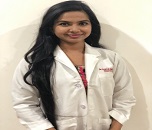
Alekya Singapore had completed her MBBS and DDVL from Dr. NTR University of Health Sciences, India. She did her Fellowship in Aesthetic Medicine from ILAMED, recognized and affiliated with University of Greifswald, Germany. She has served as a Faculty at ILAMED. She is currently working for Apollo Clinics in Hyderabad and also the Founder and Consultant Dermatologist and Cosmetologist at The Skin Sense by Dr. Alekya Singapore Skin and Hair Clinics in Hyderabad. She conducts various workshops and training classes for dermatologists and other medicos in the field of cosmetology.
Abstract:
Background: Aging and anti-aging have become the most popular topics of discussion in the cosmetic and dermatological world today. In spite of the common word we hear: Aging gracefully there is a lot of concerns in both men and women when it comes to aging. A first glance at a person’s face helps us to guess their age. When we look at a person we end up definitely looking between the triangle of both eyes and lips which makes lips a majorly important feature in anyone’s face. With aging we start to lose volume and color of the lips. They also become less lustrous and lose the definition. Habits like smoking or not maintaining proper hydration also results in having a dull looking and dry lips. In patients on oral retinoids, dry and chapped lips are one of the most uncomfortable and visible side effects. Platelet Rich Plasma (PRP) therapy of lips for these conditions helps in restoring its quality.
Method: Platelet rich plasma therapy was used to treat patients on oral retinoids and also for those with concerns about dull looking and cracked lips. Treatments with platelet rich plasma, extracted from patient’s own blood, with a gap of three weeks interval between each session, were done on these patients.
Result: PRP has helped in restoring the lost hydration of the lips and also corrected the dull color to certain extent. Patients on oral retinoids also have noticed less chapping of the lips.
Conclusion: PRP therapy helps in restoring the quality of the lips by giving good hydration. It also helps in re-gaining the lost color of the lips and makes them healthier. Once the patients get the lips rejuvenated with PRP, they can maintain the quality of the lips by taking required measures.
Wisam M Kattoof
AL-Mustansiriyah University, Iraq
Title: Intralesional streptomycin: New, safe, and effective therapeutic option for cutaneous Leishmaniasis

Biography:
Wisam Majeed Kattoof has his expertise in evaluation and passion in improving the health and wellbeing. His open and contextual evaluation model based on responsive constructivists creates new pathways for improving healthcare. He has built this model after years of experience in research, evaluation, teaching and administration both in hospital and education institutions.
Abstract:
Introduction & Aim: Leishmaniasis encompasses a spectrum of chronic infections in humans in which organisms are found within phagolysosomes of mononuclear phagocytes. Cutaneous leishmaniasis is divided into Old World and New World, cutaneous leishmaniasis caused by L. tropica. Aminoglycosides which used in the first degree to treat infections caused by bacteria also tried as a new therapeutic option for parasitic infestation. Proliferation rate and protein synthesis in the promastigote stage of the parasite are inhibited by aminoglycoside like streptomycin. The main aim is to estimate the effectiveness of intralesional streptomycin as new antileishmanial agent.
Method: In total 46 patients involved with 109 lesions, 63 lesions (57.8%) were treated with intralesional injection of streptomycin after dilution with distilled water (20%) in group-1 and 46 lesions (42.2%) used as a control in group-2.
Results: In group-1 clinical cure was achieved in 40 lesions (83.3%). Moderate response was noticed in 8 lesions (16.7%). In group-2, none of the remaining 39 control lesions shows moderate, marked or total clearance degree of response. Only 3 lesions (7.7%) showed a slight degree of response and one lesion (2.7%) with mild degree.
Conclusion: Intralesional streptomycin 20% solution lead purpose of its use as new therapeutic option for skin lesions of leishmaniasis.
Angela E Sison-Galigao
Southern Philippines Medical Center, Philippines
Title: A case of a pigmented Nodular Basal Cell Carcinoma from a Congenital Melanocytic Nevus in a 68-year old female

Biography:
Angela E Sison-Galigao is currently a Resident at the Department of Dermatology in Southern Philippines Medical Center in Davao City, Philippines.
Abstract:
Basal Cell Carcinoma (BCC) is the most common skin malignancy seen in sun-exposed areas. Pigmented Nodular Basal Cell Carcinoma (PBCC) is a clinical and histologic variant of BCC. Aside from displaying features seen in nodular BCC, it also contains increased brown or black pigment, the presence of which makes it necessary to rule out melanoma. Congenital Melanocytic Nevi (CMN) on the other hand is common skin lesions that carry a risk of malignant transformation, especially melanoma. We report a case of a 68-years old female with a congenital well-defined light-brown macule measuring approximately 3 mm at the right deltoid area. It has been stable ever since until in a span of one year, the macule gradually increased in size associated with pruritus and easy bleeding upon minor trauma and progressing to become ulcerated. Dermoscopically, multiple gray globules, blue-gray ovoid nests, arborizing vessels and micro-ulcerations were seen while histologically, it showed clusters of basaloid cells with palisading of nuclei. Artifactual retraction spaces between the tumor and stroma as well as pigment-containing cells were also noted. These findings are consistent with PBCC. The patient was treated with standard excision. PBCC from a CMN is a rarity. Prompt diagnosis and management gives a favorable prognosis. Though CMN is a common skin lesion capable of transforming into a malignancy, to the best of our knowledge, PBCC arising from them has rarely been reported.
Warkaa M Ali AI-Wattar
Al-Mustansiriya University, Iraq
Title: Effect of 790-805 nm diode laser therapy on mast cell in cutaneous wound healing in mice

Biography:
Warkaa M Ali AI-Wattar has completed PhD in Oral Histology. He is currently working as the Head in Oral Pathology Department, Member in IDA and Editorial Board Member in five medical and dental journals. He has one published book and 14 researches and editorials, review about 12 researches in dentistry, responsible for Oral Pathology Lab Al-Mustansiriya University.
Abstract:
Introduction & Aim: The use of Low Level Laser Therapy (LLLT) has been increased now a day to accelerate healing of soft tissue injuries because of some bio-stimulatory effects. The aim of this study was to investigate the effect of 790-805 nm diode lasers on the inflammatory effect of mast cells during wound healing in rodents.
Method: A cut wound (1.5 cm) was done on the cheek of 40 albino mice. 20 of them exposed to LLLT (360 J/cm2) at 790-805 nm immediately post wounding procedure. The animals were scarified and the wound area was prepared and stained with toluidine blue.
Results: Mean mast cell count of 10.2 on the first day of control group while in laser group 8.4. The control and laser group showed a gradual inclination in the mean value to be return to increase at the day 14 of the experiment. There was a significant difference (P<0.05) in the control group on the first day while significant difference (P≤0.05) was in the day 7. Pearson correlation showed a significant correlation (P≤0.01) between the control group at the day 1 and the laser group on the day 7. While there was a significant correlation (P≤0.05) between the control group at the day 14 and laser group on the day 1.
Conclusion: LLLT may induce an anti-inflammatory effect on wound healing process by its inhibitory action on mast cells; while it may have a bio-stimulatory effect on the proliferation of mast cells in the proliferative phase of wound healing which indirectly affects fibrous tissue regeneration in the subcutaneous area.

Biography:
Ehsan Kamani has completed his Optics and Laser Engineering and has credible evidence of laser application in medicine.
Abstract:
Prostate cancer is the second most common cancer after lung cancer in men. Chemotherapy is one of the common methods of treating prostate cancer that results in the destruction of cancer cells. The side effects of chemotherapy include head and eyelash loss, white blood cell counts, weak immune defenses, infections, pain, dry mouth and osteoporosis. The presence of toxic effects of chemotherapy drugs is one of the problems of treatment because these drugs often act nonspecifically. The target is in order to increase the effectiveness of the drug on site, reduce the dose of supplementary drugs, reduce the side effects of chemotherapy and accelerate the recovery time on the one hand and on the other hand, reduce the economic and social costs of treatment and reduce the physical and psychological complications. The specified number of prostate cancer cells (LNCap-FGC-10) is divided into three groups of culture and each group is divided into several subgroups for specific laser wavelengths and appropriate energy: Control group, treatment group and cancer cell group. After cell culture, RNA extraction was performed on specified days and cDNA was made. Then, the rate of expression of specific genes to study the progression of cancer and the effect of the drug were studied and also with apoptosis tests after the effect of the drug MTT and alkaline phosphatase tests are also required to study cell proliferation and activity levels. Flow cytometry is performed to determine the phenotype and cellular properties. All stages are repeated and the accuracy of the results is calculated using SPSS software, also comparing the difference of expression of genes with T-Test.
From the result of this study it is observed that this method can be a safe, low-risk, low-cost and easy method for the treatment of prostate cancer.